KPI Systems & Metric Design
Defining metrics that reflect real business performance.
Business Intelligence & Analytics that survive statistical scrutiny
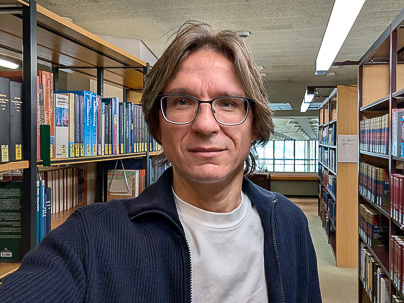
I’m Aleksei Prishchepo, a Business Intelligence and Analytics professional with a systems engineering background and hands-on experience building and operating data-driven businesses.
My focus is practical analytics: defining metrics, building models, and supporting decisions under real-world constraints.
Metrics should be defined before being visualized. Models should explain before they predict. Uncertainty should be acknowledged, not hidden.
If something cannot be measured or validated, it should not drive strategy.
This site documents practical analytics work: real problems, real constraints, and the trade-offs involved in using data responsibly.
I work at the intersection of business, data, and statistics. My focus is not dashboards for their own sake, but analytical outputs that directly support decisions. If this matches your needs, let’s talk.
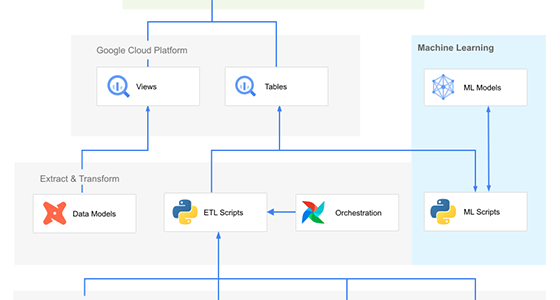
My clients are typically mid-sized companies, startups and agencies in Berlin and the EU that are building internal data projects or want to professionalize existing BI structures. I work project-based or hourly — remote or on-site in Berlin. Tools I use include SQL, Power BI, R and Python, among others.
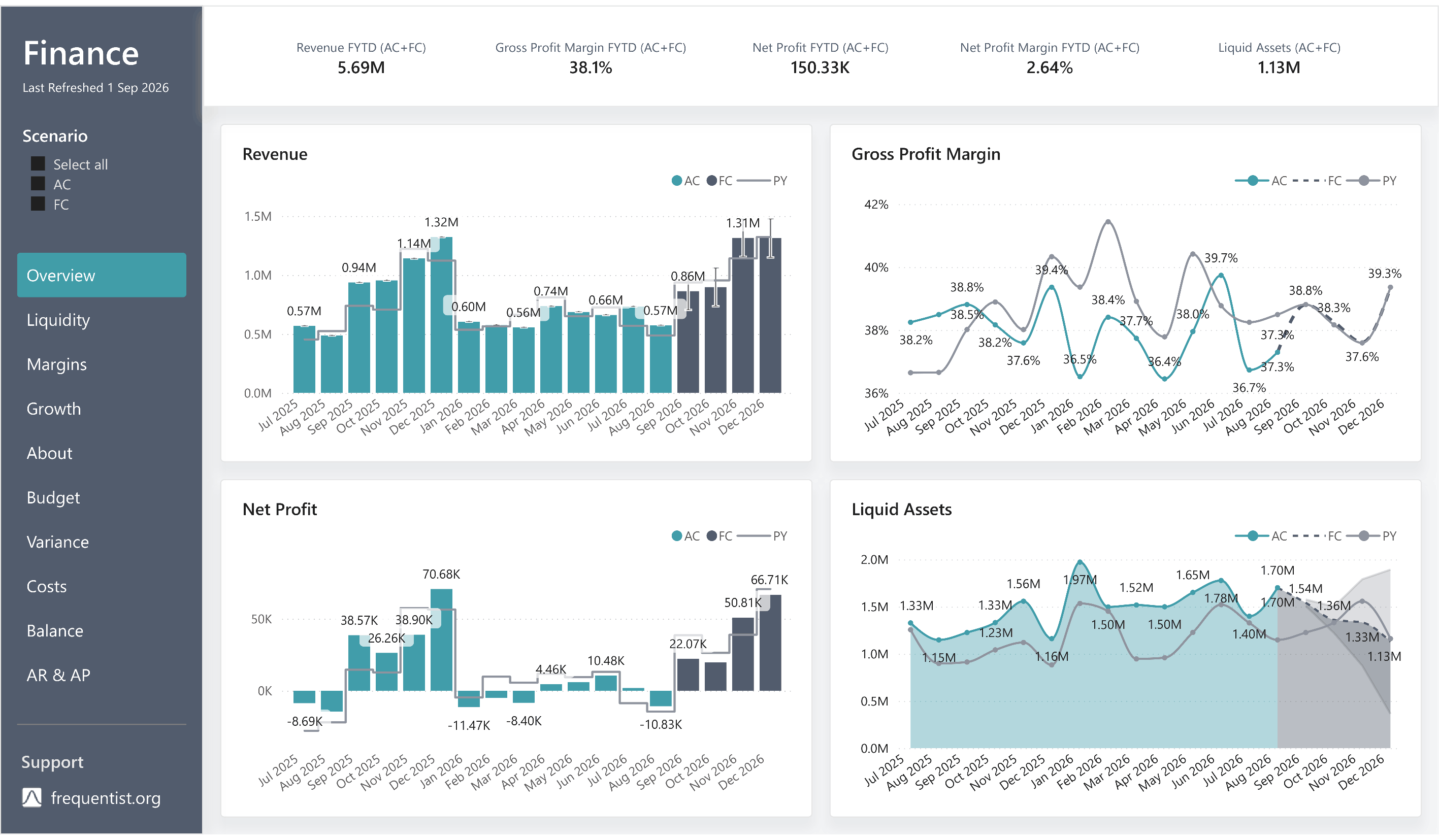
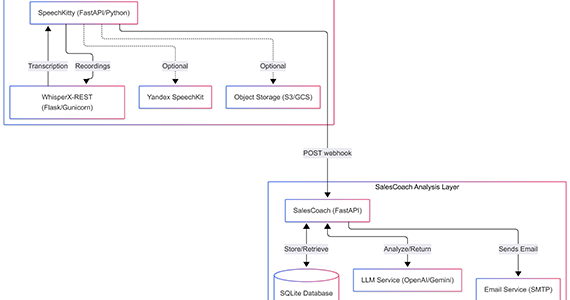
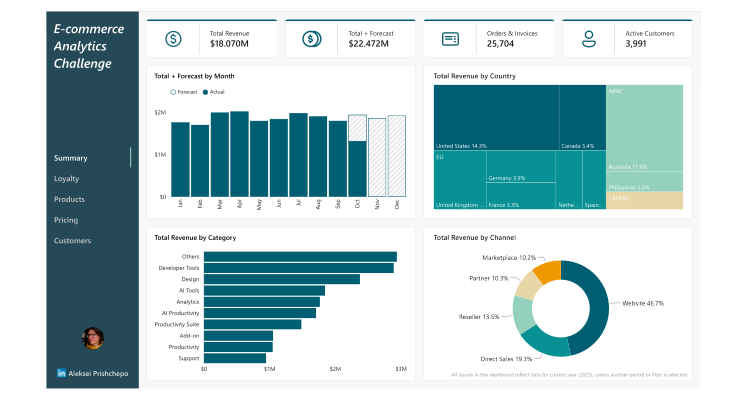
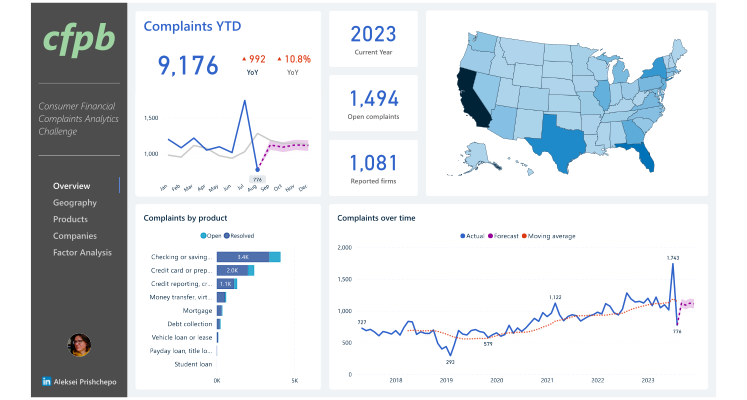
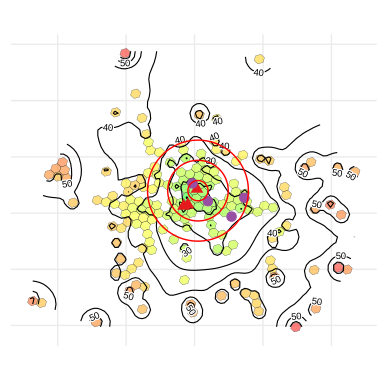
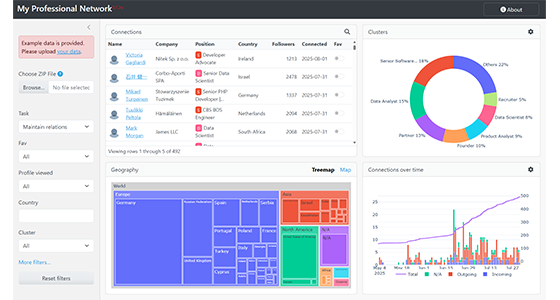
Below are a few representative projects that reflect how I approach business analytics. Explore more projects in the Projects section.
I occasionally write on analytics, statistics, and business decision-making. Explore more posts in the Blog section.
I treat analytics as a chain of reasoning rather than a collection of outputs. A useful result starts with a question worth answering, builds its case from evidence that can withstand scrutiny, and ends somewhere it can actually be used. My role is to keep that chain intact from the decision that prompted the analysis to the point where someone can act on its result.
Every engagement starts with the decision the analysis needs to support. Before choosing a dashboard, model, or method, I want to understand what someone needs to decide, what evidence they have, and what would actually change their mind.
I define the metrics before visualizing them, choose methods that fit the question, and make assumptions explicit. Where the data is uncertain, incomplete, or observational, the analysis should show that uncertainty rather than hide it behind a precise-looking number.
The output has to survive outside the analysis itself. I aim for results that are understandable to the people using them, reproducible when the underlying data changes, and practical enough to become part of actual business process.
Want to find where revenue is leaking, build metrics you can trust, or understand who your customers are? Get in touch.