LinkedIn Analytics Web Application
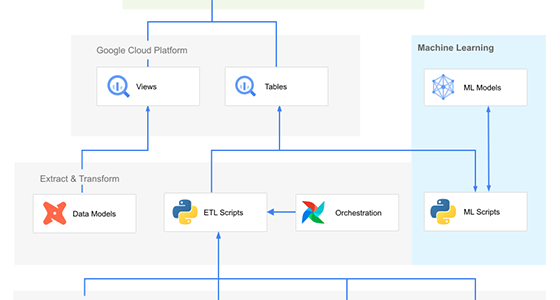
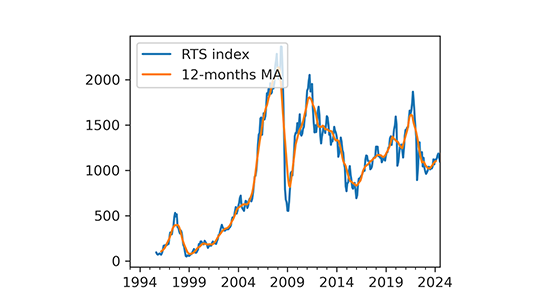
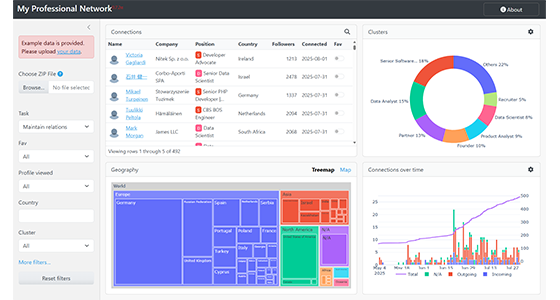
A local-first web application that transforms LinkedIn Takeout exports into structured analytics on roles, industries, and geographic reach using NLP, unsupervised learning…
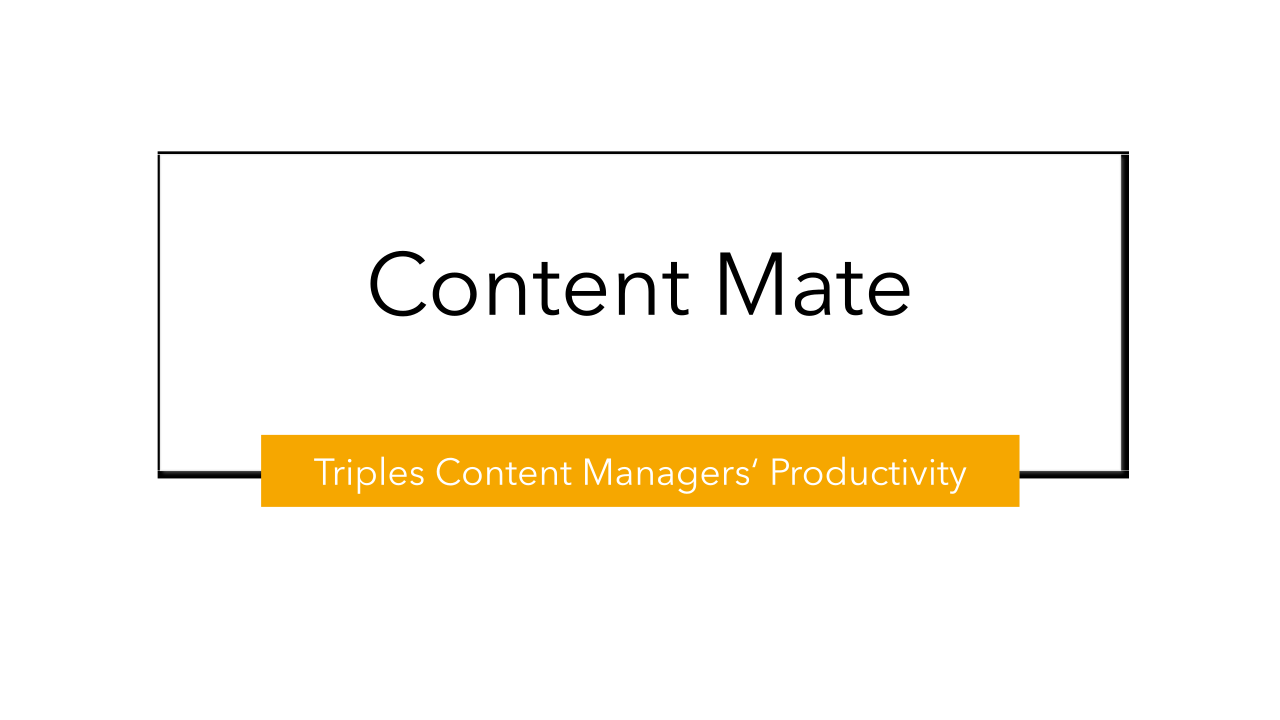
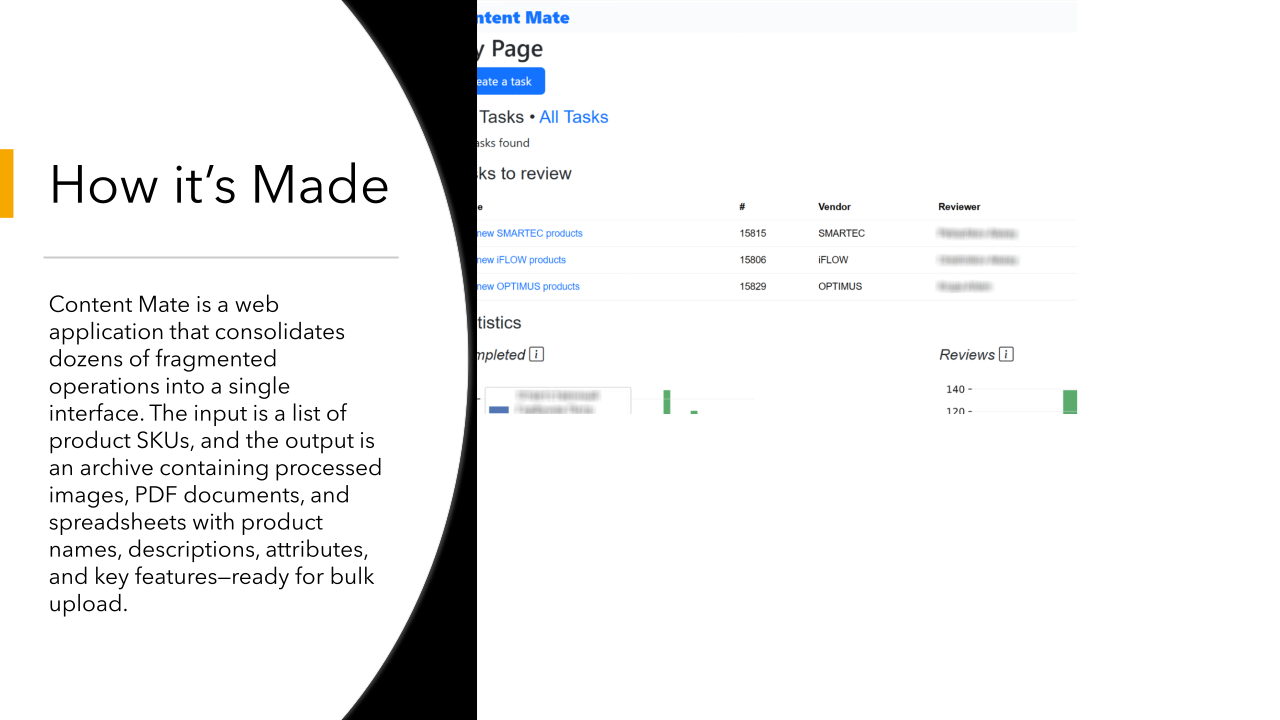
Content Mate is a web application designed to automate and streamline the creation of product content for e-commerce catalogs. It addresses the high operational cost of producing high-quality product cards, especially under a long-tail retail strategy by consolidating fragmented, manual workflows into a single system.
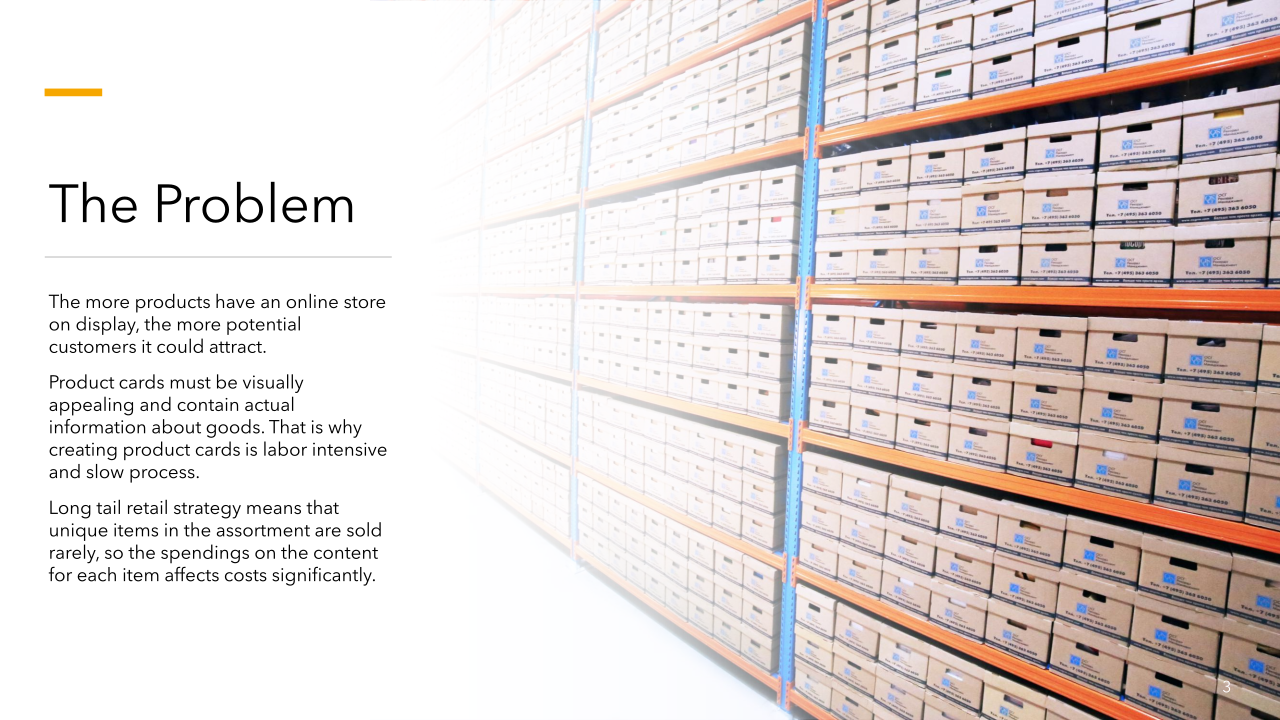
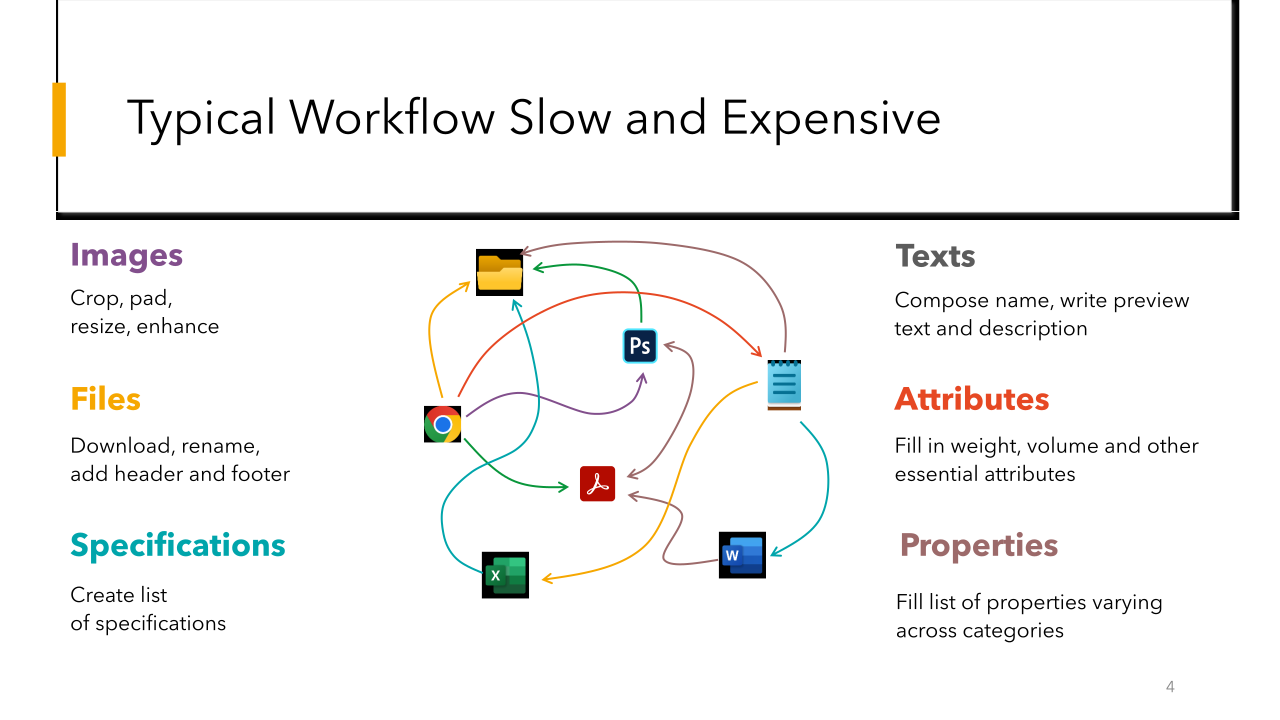
As online assortments grow, creating visually appealing and information-rich product cards becomes increasingly labor-intensive. For long-tail products that sell infrequently, the cost of manual content creation disproportionately impacts margins. Traditional workflows rely on multiple tools, repetitive manual steps, and human validation at every stage, making the process slow, error-prone, and demotivating.
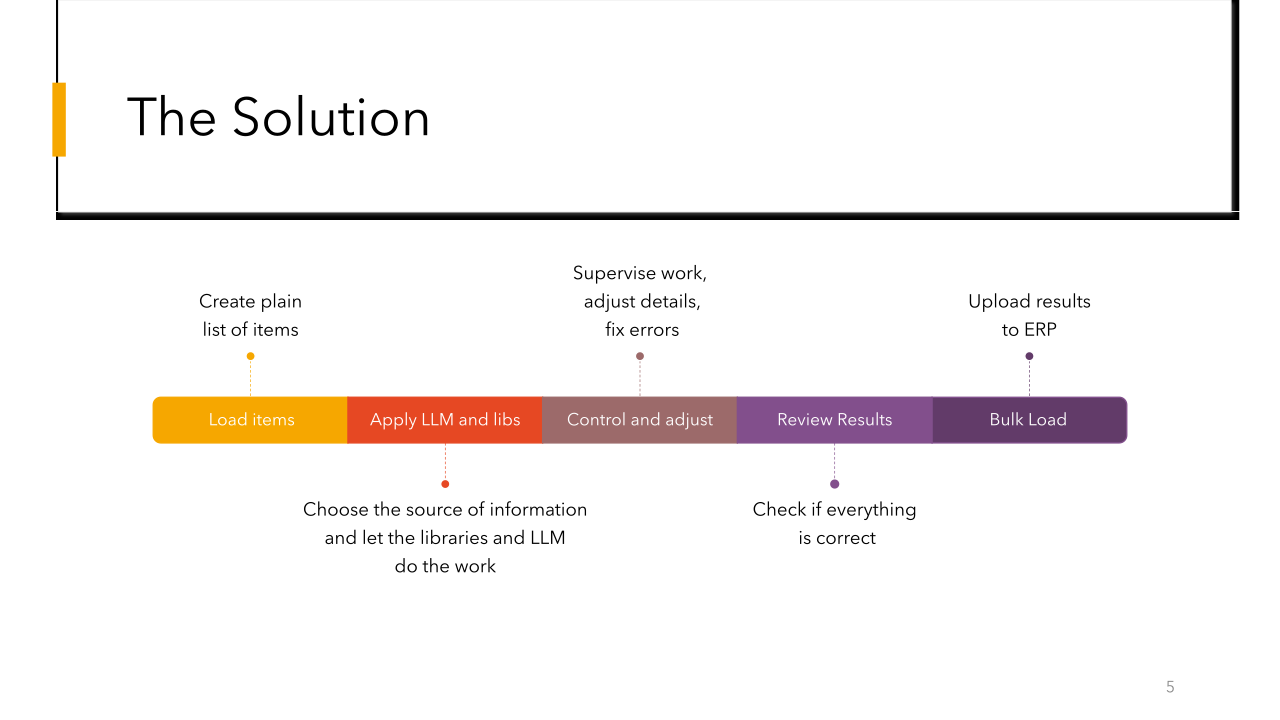
Generates product names, descriptions, attributes, and key features from a simple input list of SKUs.
Replaces dozens of disconnected operations (searching descriptions, selecting images, editing files) with a single application.
Searches, selects, and processes product images to meet publication requirements.
Uses large language models to generate consistent, category-aware product text at scale.
Produces structured deliverables (images, PDFs, spreadsheets) ready for bulk upload into ERP systems and direct website publication.
Each step is logged and reviewable, ensuring quality control and auditability.
Download the full presentation here.
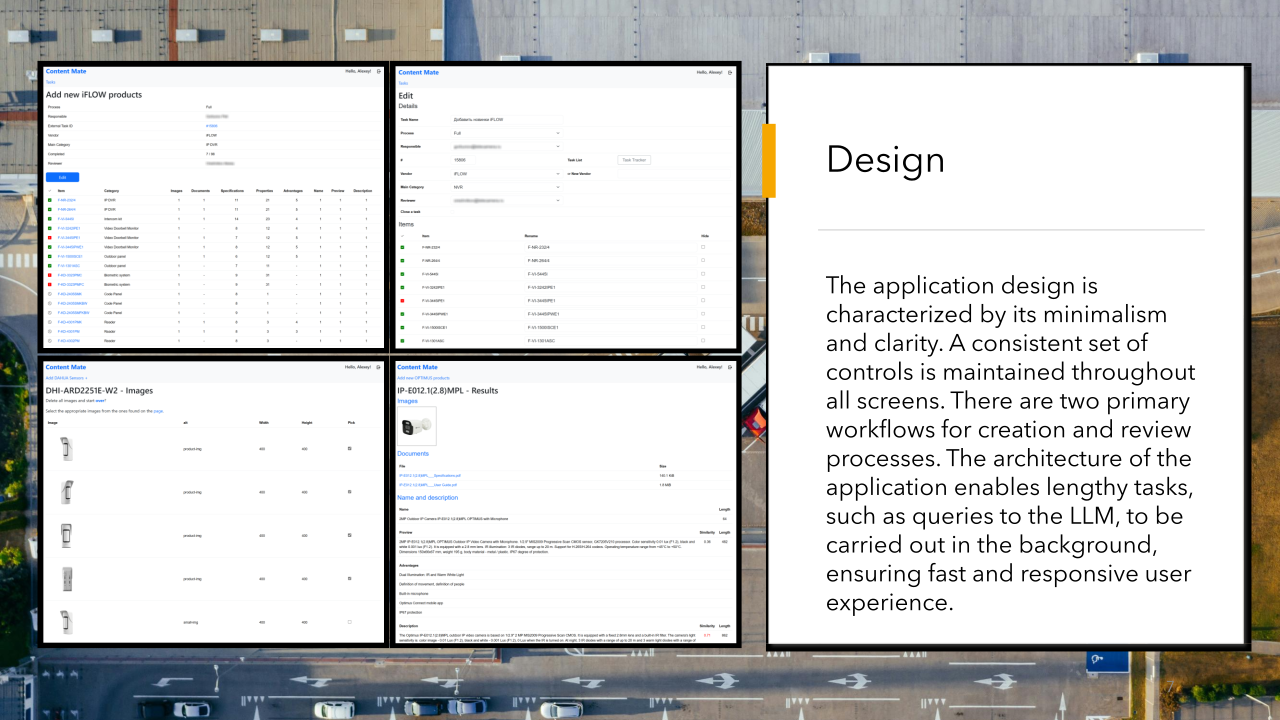
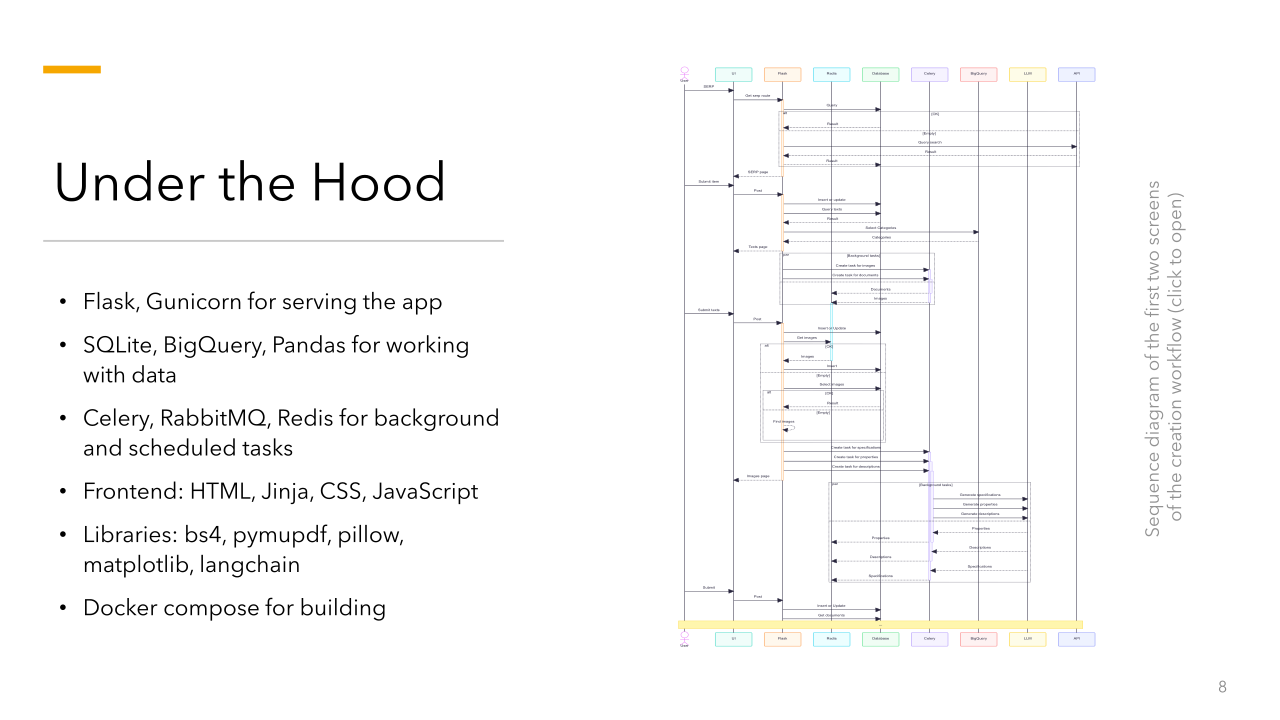
Built with Flask and served via Gunicorn, with long-running tasks delegated to Celery workers to keep the UI responsive.
Uses RabbitMQ and Redis for background execution and scheduling of content generation and data processing jobs.
Combines SQLite, BigQuery, and Pandas for flexible handling of product data across different stages.
HTML, Jinja, CSS, and JavaScript provide a simple, task-oriented interface optimized for operational use rather than exploration.
Docker Compose enables reproducible builds and straightforward deployment of the full system stack.
3× increase in employee productivity in product card creation.
Near-elimination of content errors through automated, end-to-end quality control.
Higher employee motivation by removing repetitive and low-value manual work.
Enabled economically viable content creation for long-tail product assortments.
Process Automation • E-commerce Analytics • LLM-Assisted Content Generation • Asynchronous Systems • Full-Stack Web Development • ETL & Data Processing • Docker & Background Workers • Operational Tooling Design
If your business faces high operational costs in content creation orrneeds help automating e-commerce workflows, I can assist in designing and building tailored solutions. Let’s talk.